Every Child’s Educational Journey Begins with a Single Decision
For many parents, watching a child walk through the school doors for the first time is both exciting and emotional. It marks the beginning of a journey that will shape not only academic knowledge but also confidence, friendships, character, and lifelong learning habits.
Today’s educational landscape is very different from what many parents experienced growing up. Families now have more choices than ever before. Traditional public schools remain the most common option, but homeschooling, private schools, charter schools, microschools, hybrid programs, and virtual learning have expanded the possibilities.
The question is no longer simply, “Where will my child go to school?” Instead, parents are asking:
- Which environment will help my child thrive?
- How does my child learn best?
- What values are important to our family?
- What educational approach aligns with our long-term goals?
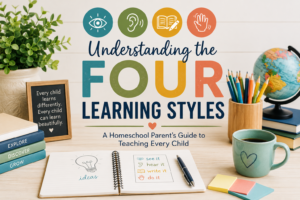
There is no one-size-fits-all answer. Every child learns differently, and every family has unique priorities.
What Does Learning Mean Today?
Education today extends far beyond memorizing facts or passing standardized tests. Modern learning focuses on developing the skills children need to succeed throughout life.
These include:
- Critical thinking
- Problem solving
- Communication
- Creativity
- Collaboration
- Emotional intelligence
- Digital literacy
- Adaptability
Children must learn how to find reliable information, ask thoughtful questions, work with others, and adapt to an ever-changing world.
Learning also happens everywhere not just inside a classroom.
Children learn through:
- Family experiences
- Community involvement
- Museums
- Libraries
- Sports
- Volunteer work
- Nature exploration
- Reading together
- Everyday conversations
Understanding Today’s Educational Options
Parents are their child’s first teacher, and that role continues throughout every stage of education.
Public School
Public schools provide education funded by state and local governments and serve students within assigned districts.
Benefits
- No tuition
- Certified teachers
- Diverse student population
- Sports and extracurricular activities
- Transportation often provided
- Special education services available
Challenges
- Larger class sizes
- Limited flexibility
- Curriculum follows state standards
- Less individualized instruction
Public schools can be an excellent fit for families seeking a structured environment with broad academic and extracurricular opportunities.
Private School
Private schools operate independently and often offer specialized educational philosophies or faith-based instruction.
Benefits
- Smaller class sizes
- Specialized curriculum
- Strong academic focus
- Religious or values-based education (when applicable)
- Greater parent involvement
Challenges
- Tuition costs
- Limited financial aid in some schools
- Admission requirements
- Transportation may be unavailable
Private schools often appeal to families seeking a particular educational philosophy or smaller learning communities.
Homeschooling
Homeschooling allows parents to direct their child’s education using curriculum that fits the family’s goals and the child’s learning style.
Benefits
- Personalized instruction
- Flexible schedules
- Self-paced learning
- Strong family involvement
- Ability to customize curriculum
- Real-world learning experiences
Challenges
- Parent time commitment
- Record keeping
- Curriculum planning
- Balancing work and teaching
- Finding social opportunities
Many homeschooling families participate in co-ops, sports leagues, field trips, and community enrichment programs.
Alternative Education
Alternative education includes:
- Charter schools
- Microschools
- Montessori
- Waldorf
- Forest schools
- Hybrid learning
- Online academies
- Dual enrollment
- Project-based learning programs
These options often emphasize:
- Smaller learning environments
- Personalized instruction
- Flexible scheduling
- Hands-on learning
- Student interests
- Innovative teaching methods
Alternative education continues to grow as families seek educational experiences tailored to their children’s unique needs.
Questions Every Parent Should Ask
Instead of asking which school is “best,” ask:
- Does my child enjoy structured routines?
- Does my child need more individual attention?
- Is social interaction a priority?
- What are my family’s educational values?
- How involved do I want to be in daily learning?
- What resources are available in my community?
- Can our schedule support homeschooling?
- Does my child have special learning needs?
- What environment helps my child feel safe and confident?
The answers often point toward the best educational fit.
Click Here For Your Free Parent Decision Checklist
Remember: There Is No Perfect Choice
One of the greatest misconceptions about education is that there is only one “right” path. In reality, successful students come from every type of educational setting. What matters most is finding an environment where a child feels supported, challenged, and encouraged to grow.
Parents should remember that educational decisions are not permanent. Families may transition between public school, private school, homeschooling, or alternative programs as their child’s needs change over time.
The best educational choice is one that reflects your family’s values, supports your child’s unique strengths, and creates opportunities for lifelong learning.
Final Thoughts
The first day of school is more than the start of a new grade it is the beginning of a lifelong relationship with learning. Whether your child learns in a public classroom, a homeschool co-op, a private academy, or an alternative learning environment, your encouragement, involvement, and belief in their potential will remain the most powerful influence on their success.
Education is not simply about preparing children for tests; it is about preparing them for life. By carefully considering your child’s needs and your family’s goals, you can make a confident, informed decision that lays the foundation for a bright and fulfilling future.